
GreenFiber Radiant Barrier Installation: The Woodland Hills Owner’s Guide
We stock and install GreenFiber-compatible radiant barrier systems in Woodland Hills, with most attic installations running between $1,200 and $2,800 depending on square footage and how much of the existing barrier needs to be pulled out. Same-day installation is available when we have the material on the truck, which we do for most Woodland Hills jobs since this is a common request in our area. Most homeowners discover their radiant barrier has failed when they notice their upstairs rooms running 10 to 15 degrees hotter than the rest of the house in August, or when they spot sagging, torn foil hanging from the rafters during a trip up to grab holiday decorations.
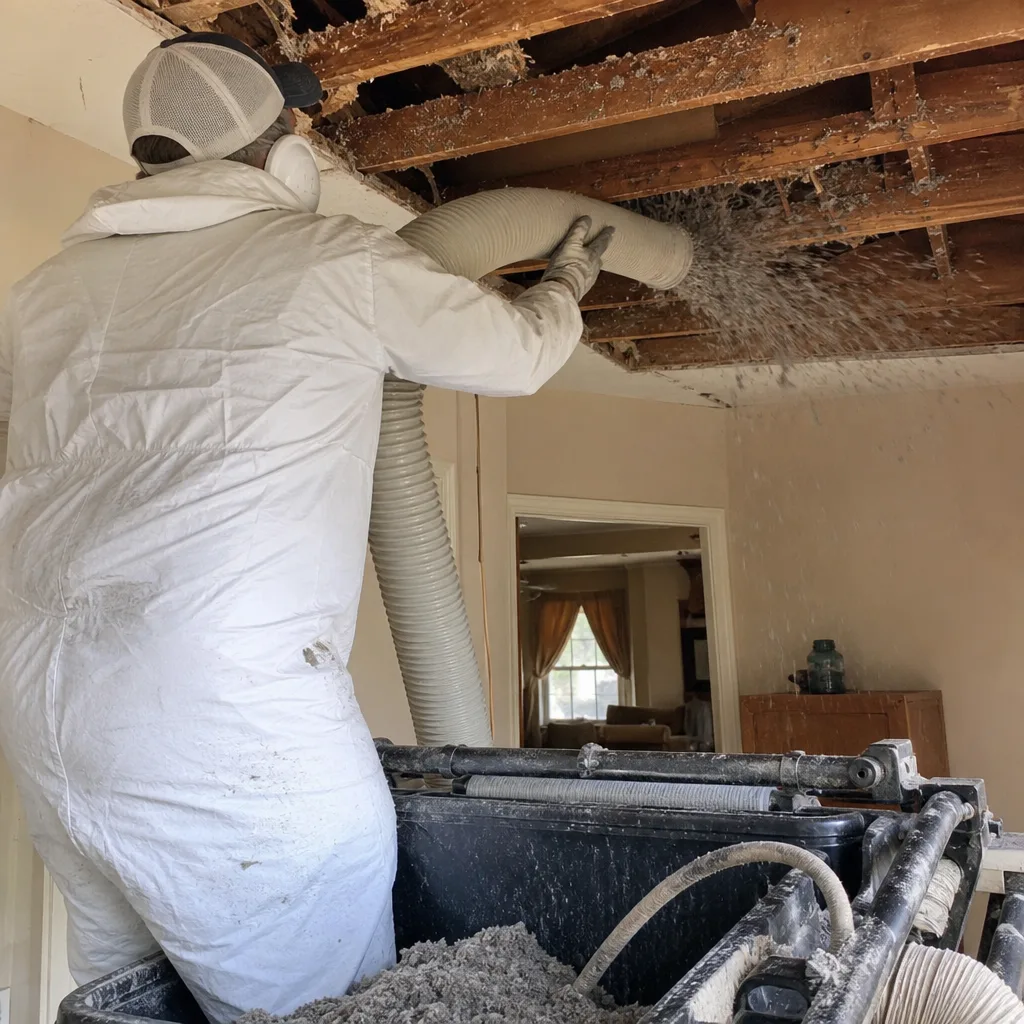
Radiant barrier is the foil-faced material stapled to the underside of your roof rafters. Its job is to reflect radiant heat from the sun back out of the attic before it can soak into your insulation and ductwork. In Woodland Hills, where summer attic temperatures routinely hit 140 degrees, a working radiant barrier matters more than in most of the country. When it fails, your insulation has to work against a much bigger heat load, and your AC runs harder just to keep the house livable.
Which GreenFiber Models This Applies To
GreenFiber doesn’t manufacture radiant barrier as a standalone product line the way it makes blown-in cellulose. What most Woodland Hills homeowners have is a hybrid setup: GreenFiber blown-in cellulose on the attic floor, paired with a radiant barrier installed by a previous contractor or the homebuilder. That’s the installation we’re matching parts for here. The foil used is typically a single-sided or double-sided perforated radiant barrier, usually 48 inches or 26 inches wide, stapled to the rafters with the shiny side facing down into the attic airspace.
Here’s the compatibility gotcha most people don’t know: perforated radiant barrier is required in most California attics because it allows moisture vapor to pass through so it doesn’t trap condensation against the roof deck. Non-perforated foil can create a moisture problem in Woodland Hills homes, especially older ones with less roof ventilation. If you’re buying replacement material yourself, look for perforations, not solid foil. That one detail determines whether the install keeps your attic dry or slowly rots your decking. We only install perforated product here, because we’ve seen what the solid stuff does after a few valley winters.
Signs Your GreenFiber Radiant Barrier Installation Is Failing
- Sagging or detached foil hanging between rafters. Staples pull out over years of thermal expansion and contraction. Once the foil droops, it loses the airspace that makes it reflect heat effectively, and it tears under its own weight.
- Upstairs rooms consistently 10 to 15 degrees hotter than downstairs in summer. The attic heat load is overwhelming the floor insulation. This is the symptom Chase Whitaker sees most often in Warner Center and Walnut Acres homes, where second-story ceilings bake all afternoon.
- Visible tearing or shredding at the staple lines. Once a tear starts at a staple point, the barrier loses tension and begins peeling like a sunburn. Wind washing through ridge vents makes it worse.
- Dusty, discolored foil that no longer looks shiny. Radiant barrier works by reflecting, and a heavy coating of dust kills reflectivity. If it’s dull brown instead of shiny silver, it’s barely doing its job anymore.
- Rust or corrosion at staples, especially near the eaves. Woodland Hills gets no snow, but we do get marine-layer moisture and the occasional hard winter rain. Galvanized staples fail first, and the foil around them goes next.
Replacement Cost & What’s Included
For a typical Woodland Hills attic of 1,200 to 1,800 square feet, a radiant barrier replacement runs between $1,200 and $2,800 installed. The range depends on three things: whether we’re removing the old barrier or installing over a mostly bare attic, how many obstructions exist around the rafters, and whether the attic is tall enough to work in or a crouch-only space that slows everything down.
What’s included: removal of the failed material, haul-away, new perforated radiant barrier matched to your attic’s dimensions, stapled to the rafters with proper overlap, and a walkthrough with photo proof when we’re done. That’s the Relay Standard: a written price before anything starts, live tracking on the day of the job, and before-and-after photos so you can see exactly what was done. Every installation carries our 365-Day Done Right Promise. If the barrier sags, tears, or comes loose within a year, we come back and make it right. No charge, no argument.
Key Takeaways:
- Most Woodland Hills radiant barrier replacements cost $1,200 to $2,800 installed.
- Perforated foil is the correct product for California attics; solid foil causes moisture problems.
- Same-day installation is often available; call (559) 295-5362 to confirm stock.
- Written price before work starts, live tracking, and photo proof on every job.
DIY or Call Us?
The honest answer is that most of what needs checking is safe and doable: you can pop your head into the attic with a flashlight, look for sagging or torn foil, check whether it’s shiny or coated in dust, and take photos. What you shouldn’t do is attempt the replacement yourself unless you’re comfortable working overhead in a confined, 140-degree space on a ladder, while handling long sheets of foil that catch every breeze and staple like wet newspaper. The risks are falls, heat exhaustion, and a tear-heavy install that won’t last more than a couple of summers.
Chase and the Laurel Attic Insulation Woodland Hills crew have done these installs across the San Fernando Valley for over a decade. We know what the foil should look like when it’s tensioned right, and we know the spots where Woodland Hills attics trap heat and tear barriers first. If your attic is under-insulated, your AC is just paying rent to the outside air. A failed radiant barrier makes that rent a lot higher. Call (559) 295-5362 for a free assessment and an exact installed price.
FAQs
A properly installed perforated radiant barrier in Woodland Hills typically lasts 10 to 15 years, though we’ve seen well-installed barriers hold up closer to 20 in attics with good ventilation. The things that kill it early are staple failure, excessive attic moisture, and rodents. Give us a call at (559) 295-5362 and we’ll tell you honestly whether yours has life left or needs replacing.
A small tear near a single staple line can sometimes be re-tensioned and re-stapled if the rest of the barrier is sound. But if the foil is brittle, dusty, or sagging across more than a couple of rafter bays, patchwork repair is a temporary fix that won’t restore reflectivity. We’ll give you a straight answer after a visual check; call (559) 295-5362 to schedule a look.
Most Woodland Hills radiant barrier installations take one day, including removal of the old material and haul-away. Larger attics with complex rooflines can stretch into a second morning. We’ll give you a written time window before work starts, and you’ll get live tracking on the day of the job.
Yes, we keep perforated radiant barrier in 48-inch and 26-inch widths on our trucks serving Woodland Hills, along with replacement staples and the right tools for the job. We also stock Reflectix for smaller knee-wall and duct-wrap applications when that’s the better fit for the job. Call (559) 295-5362 and we’ll confirm stock for same-day installation.
No, Laurel Attic Insulation Woodland Hills is an independent service provider and not affiliated with the GreenFiber brand. We work with GreenFiber products because they’ve earned a place alongside the other seven brands we carry, but our installation work and guarantees come from us, not the manufacturer.
Written by Chase Whitaker, Owner, Laurel Attic Insulation Woodland Hills at Laurel Attic Insulation Woodland Hills, serving Woodland Hills and nearby areas.